Bank relationship rationalization and the easing of concerns about counterparty risk in the U.S. are setting the stage for increased concentration of corporate banking business in the hands of the market’s biggest banks.
One in four of U.S. small businesses and mid-sized companies are obtaining credit from non-bank providers, and—in a finding sure to catch the attention of bank executives—nearly all say the experience was so positive that they would borrow from non-bank lenders again.
Large European companies are lowering costs and simplifying operations by consolidating trade finance business in the hands of large banks like BNP Paribas, Deutsche Bank and HSBC.
More than 50% of top U.S. Treasury dealers have stopped actively making markets on interdealer platforms—a dramatic change to a market in which virtually all leading dealers once performed this function.
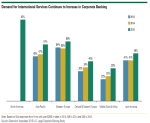
The market’s biggest banks are expanding their footprints in trade finance as large U.S. companies seek support for their expanding international businesses.
Equity brokers in the emerging markets are rewarded for consistency. Institutional investors like to trade with firms that provide high quality coverage of regional markets and sectors throughout the inevitable ups and downs.
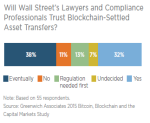
The technology behind Bitcoin is coming to Wall Street, but few agree how it will arrive or what exactly it will achieve. A new report from Greenwich Associates examines four of the most pressing questions about the introduction of digital ledger technologies into the complex and highly regulated world of institutional capital markets.
Despite the recent wild gyrations in global stock markets, 2015 could represent the calm before the storm for European equity brokers, which are awaiting word from regulators on new “unbundling” rules that could upend the economics of their business.